


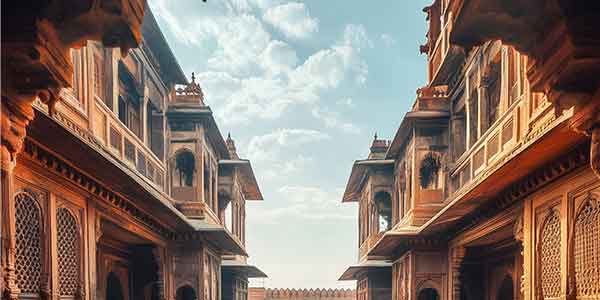
Lokvirsa Mela: A Celebration of Pakistan’s Cultural Diversity
Lokvirsa Mela • 31 Oct 2025
Every
year, a colorful wave of culture, music, and tradition sweeps through Islamabad
as the city comes alive with the sounds and sights of the Lok Virsa Mela –
Pakistan’s biggest folk festival.
What is Lok Virsa Mela?
Lok
Mela, organized by the National Institute of Folk and Traditional Heritage (Lok
Virsa), has been a cherished annual tradition since the 1980s. The festival
typically takes place in spring or autumn and serves as a platform for rural
artists and craftsmen to showcase their talents to a national – and often
international – audience.
Whether
it’s the soulful tunes of a Balochi banjo, the rhythmic clapping of a Punjabi
bhangra, or the intricate embroidery from Tharparkar, Lok Mela celebrates the
unity in diversity that defines Pakistan.
A Festival of Color, Culture, and Community
One of the most exciting features of Lok Mela is the regional pavilions, each representing a province or territory of Pakistan – Punjab, Sindh, Balochistan, Khyber Pakhtunkhwa, Gilgit-Baltistan, and Azad Jammu & Kashmir. These beautifully decorated stalls exhibit:
- Traditional crafts
- Cultural displays
- Folk attire
- Local food and delicacies
- Handmade jewelry, pottery, and carpets
It’s
like taking a cultural road trip across Pakistan – all in one place!
Live Folk Performances
The sound of dhol, algoza, and rabab echoes throughout the venue as local musicians perform folk songs and dances on the main stage. Performers include:
- Sufi singers
- Folk instrumentalists
- Dance troupes from remote villages
- Storytellers and poets
The evenings are especially magical, with open-air concerts under the stars. Folk legends like Mai Dhai, Arif Lohar, and Saieen Zahoor have graced the Lok Mela stage in past years.
Artisans-at-Work
Unlike typical exhibitions, Lok Mela features live demonstrations of handicrafts. You’ll see artisans weaving carpets, carving wood, doing truck art, block printing, and more – right in front of your eyes. Many of these craftsmen come from rural areas where such traditional skills have been passed down for generations.
It’s not just a chance to buy beautiful handmade products – it’s a rare opportunity to meet the creators and learn the stories behind their work.
Traditional Food Courts
No Pakistani festival is complete without food, and Lok Mela does not disappoint! The food court is a paradise for desi food lovers. From Peshawari chapli kebab to Sindhi biryani, Siri Paye, Saag Makai Roti, and Multani Sohan Halwa, the mela offers a feast of authentic flavors from every region.
Why Lok Mela Matters
In a
time when many traditional crafts and languages are disappearing, Lok Mela
plays a crucial role in preserving and promoting Pakistan’s intangible cultural
heritage. It provides:
- Economic support to rural artisans through direct sales
- Cultural exchange between provinces and communities
- Awareness and appreciation of heritage among the younger generation
- Tourism and media exposure for folk artists
It’s also one of the few platforms where women artisans from remote areas get national recognition and opportunities to sell their work.
The Vibe: A Festival for Everyone
What
makes Lok Mela so special is its inclusive spirit. It’s not just for art lovers
or tourists – it’s a family-friendly event that welcomes people of all ages and
backgrounds.
You’ll
find:
- Children enjoying puppet shows and face painting
- University students recording vlogs and taking selfies
- Foreign visitors learning about Pakistani folk traditions
- Elders reconnecting with their cultural roots
It’s an event that brings people together – something Pakistan needs now more than ever.